

- Home
- Pelvic Floor Physiotherapy Edmonton
Pelvic Floor Physiotherapy Edmonton
Gentle Care for Everyday Confidence
Book An Appointment
Let’s Take the Next Step Together
Pelvic floor physiotherapy assesses and treats the muscles that support the bladder, bowel and pelvic organs. It helps with leaking when coughing or exercising, urgency, pelvic pain, pain with intercourse, prolapse symptoms, and recovery after childbirth or prostate surgery. At Next Step in Edmonton it is available for women and men, in a private room, with internal assessment only with your consent.
Pelvic Floor Physiotherapy for Pelvic Health and Function
Pelvic Health Care That Listens and Adapts
At Next Step Physiotherapy, we offer pelvic floor physiotherapy that’s grounded in respect, education, and empowerment. Whether you’re recovering from childbirth, living with incontinence, managing pelvic pain, or facing symptoms after surgery, our pelvic floor physiotherapy in Edmonton is here to guide your healing process in a way that makes sense for your body, your goals, and your pace.
What is Pelvic Floor Physiotherapy?
Pelvic floor physiotherapy focuses on the muscles, tissues, and ligaments located in the pelvic region. These structures play a vital role in many everyday functions, including:
- Bladder and bowel control
- Sexual health and function
- Core and spinal stability
- Support during pregnancy and postpartum
- Recovery after surgery
When the pelvic health muscles become weak, tight, overactive, or out of sync, they may cause a vast range of symptoms that impact your quality of life. Our approach at Next Step Physiotherapy in Edmonton is gentle, personalized, and focused on restoring balance without judgment or pressure.
We work with you to understand the root of your symptoms and then create a treatment plan that fits your body and your goals.
Do I Need Pelvic Floor Physiotherapy?
Some symptoms may seem minor or unrelated to the pelvic floor, but they’re often the early signs of dysfunction. If you’re experiencing any of the following, pelvic floor physiotherapy could be helpful:
- Leaking urine while sneezing, coughing, or exercising
- Sudden urgency or frequent bathroom trips
- Difficulty fully emptying your bladder or bowels
- Pain during or after intimacy
- Constipation or straining during bowel movements
- Pelvic heaviness or a feeling of “something falling out.”
- Pain near the tailbone, hips, or lower back
- Discomfort after prostate surgery
- Weakness or bulging in the abdominal area when lifting
- A general sense that your “core isn’t working right.”
If any of these feel familiar, it’s worth having a conversation. The earlier you address pelvic concerns, the easier they are to manage.
Conditions Treated Using Pelvic Floor Physiotherapy
Our clinic welcomes people of all genders and life stages. Pelvic health is more than postpartum recovery; it touches many areas of life, and we’re here to support your comfort, function, and confidence.
Female Pelvic Health Concerns:
Pelvic floor challenges can surface at any stage of life, from the physical changes of pregnancy to the transitions of menopause, or even without any clear trigger. At Next Step Physiotherapy in Edmonton, we provide personalized care to support women experiencing a wide range of pelvic health concerns.
Here’s a closer look at the common issues we treat and how they typically develop.
Pregnancy-Related Pelvic Pain
Pregnancy brings about major changes in posture, joint alignment, and muscle engagement. As your baby grows, the added weight and shifting center of gravity can strain the pelvic girdle, especially around the sacroiliac (SI) joints and pubic symphysis.
This may lead to:
- Deep aching in the low back or hips
- Difficulty walking, rolling over, or climbing stairs
- Pressure or heaviness in the pelvis
Pelvic floor physiotherapy in Edmonton can help reduce muscle imbalances, improve stability, and ease discomfort through gentle movement and support strategies.
Postpartum Healing
After childbirth, whether vaginal or cesarean, the pelvic floor and core muscles often need time and support to recover. The strain from labour, pushing, and delivery can result in:
- Weakness or disconnection in the lower core
- Scar sensitivity (from perineal tearing or episiotomy)
- Difficulty with bladder or bowel control
- Pain or discomfort during everyday tasks
Our approach helps reconnect these deep muscles through breathing techniques, scar tissue work, and safe, progressive movement strategies.
Pelvic Organ Prolapse
Prolapse happens when pelvic organs (such as the bladder, uterus, or rectum) shift downward due to weakened or overstretched support structures, often from pregnancy, aging, or heavy lifting.
You might feel:
- A bulging or “falling out” sensation
- Pressure in the vaginal area, especially at the end of the day
- Discomfort with prolonged standing or during bowel movements
We offer education and exercises that support better pressure management and functional strength to help manage symptoms and improve quality of life.
Painful Intercourse (Dyspareunia)
This type of pain is often linked to tight or overly reactive pelvic floor muscles, scar tissue, or nervous system sensitivity. It may occur after childbirth, with hormonal changes, or seemingly out of nowhere.
Pain can be:
- Superficial or deep
- Sharp, burning, or aching
- Triggered by certain positions or movements
Pelvic floor physiotherapy focuses on calming and coordinating the involved muscles, often using breathing work, manual therapy, and gradual desensitization techniques.
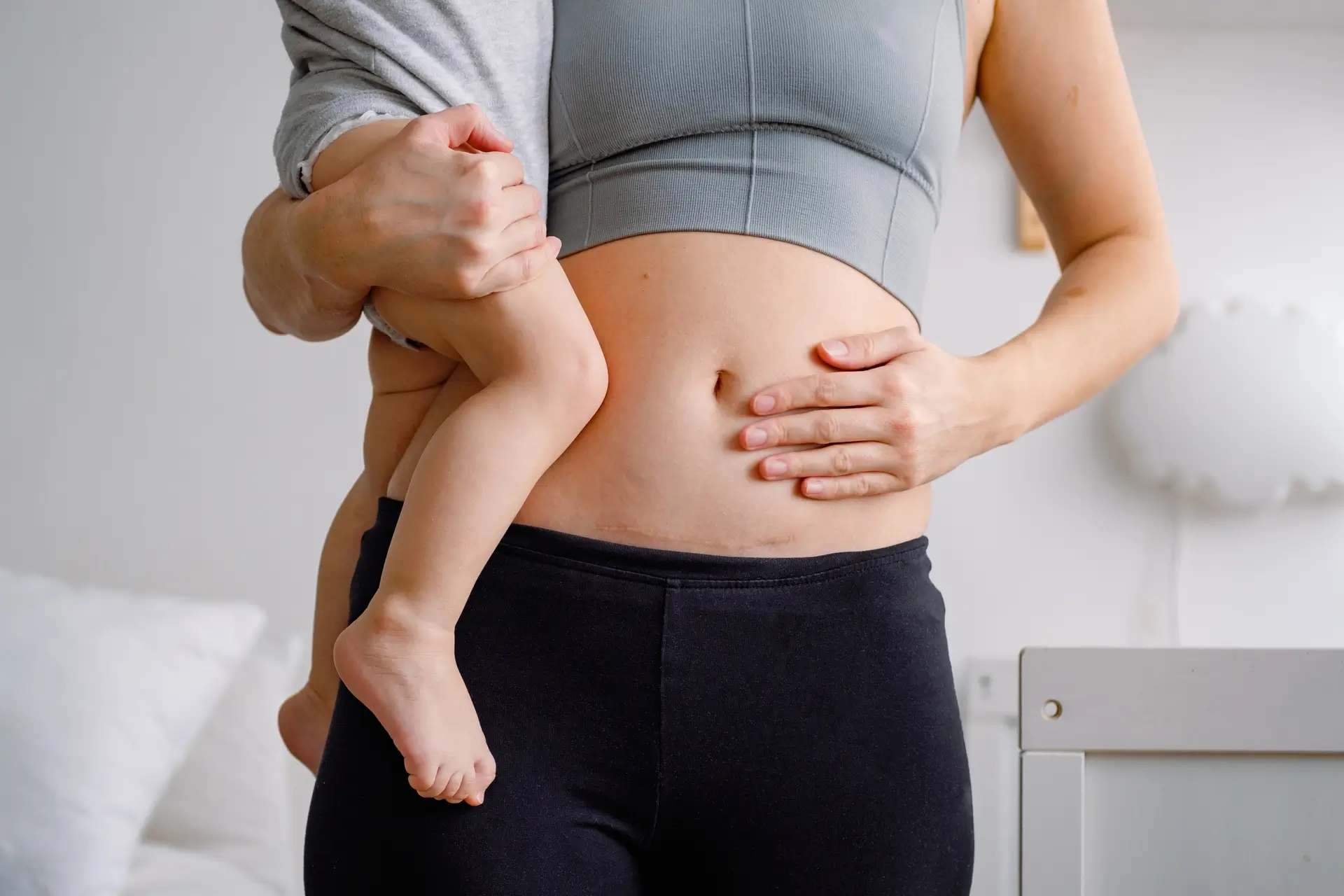
C-Section Recovery
C-sections are major abdominal surgeries, and the healing process can affect far more than just the visible scar. The abdominal muscles, fascia, and nerves may be impacted, which can lead to:
- Restricted movement or discomfort around the incision
- Core weakness or doming
- Back or pelvic discomfort due to compensations
We support C-section recovery with gentle scar mobilization, postural retraining, and progressive core reactivation to help restore smooth movement and strength.
Menopause-Related Symptoms
With hormonal changes, estrogen levels drop, affecting tissue elasticity and hydration. This can result in:
- Vaginal dryness or discomfort
- Reduced pelvic floor muscle tone
- Bladder urgency or leakage
- Increased pelvic heaviness
Our physiotherapy care offers strategies to support comfort, maintain muscle function, and help clients stay active and confident during this life transition.
Male Pelvic Health Concerns:
Pelvic floor dysfunction isn’t limited to one gender; it affects men, too, though it’s often under-discussed. At Next Step Physiotherapy, we provide a welcoming, respectful space for men navigating the following challenges:
Urinary Urgency and Leakage
This often stems from overactive or weakened pelvic floor muscles that don’t coordinate well with the bladder. It may result in:
- Rushing to the bathroom frequently
- Inability to fully empty the bladder
- Leaks during activity or after voiding
Sometimes these symptoms follow prostate surgery or are related to long-standing pelvic tension.
Erectile Dysfunction or Ejaculatory Pain
These issues can be linked to muscle tension, nerve irritation, or blood flow restriction in the pelvic region. They’re often made worse by stress or poor breathing habits.
Clients may report:
- Pain or pressure during or after arousal
- Decreased erection quality
- Fear or frustration around intimacy
Our physiotherapists address this through a combination of breathing, muscle coordination training, and tension-releasing techniques.
Pelvic Pain After Prostate Surgery
Following prostate surgery (like prostatectomy), the pelvic floor and surrounding muscles may become tight, weak, or misaligned, leading to:
- Pain in the lower pelvis or perineum
- Urinary incontinence
- Fatigue or stiffness in the surrounding muscles
Through individualized therapy, we help restore comfort and coordination as the body adjusts post-surgery.
Chronic Prostatitis or Testicular Discomfort
Chronic pelvic pain in men is often linked to persistent muscle guarding or nerve sensitivity, sometimes without any active infection. Symptoms may include:
- Deep aching in the perineum or testicles.
- Discomfort while sitting or during bowel movements
- Pressure-like sensations in the pelvis
A pelvic floor approach can calm these systems down through gentle desensitization and neuromuscular retraining.
Constipation and Bowel Issues
Difficulty with bowel movements may result from tight or uncoordinated pelvic floor muscles, especially when straining becomes a habit.
You might experience:
- A sensation of incomplete emptying
- Pushing to have a bowel movement
- Painful bowel movements or inconsistent habits
Pelvic floor therapy helps retrain the muscles to allow smoother, easier elimination and reduce associated symptoms.
Pain During or After Sexual Activity
For some men, sexual activity triggers pain or discomfort due to tight pelvic floor muscles, past trauma, or postural issues.
This can present as:
- Aching after intercourse
- Pain during climax
- Discomfort with certain positions
We work collaboratively to address both the physical and emotional impact through a respectful, tailored care plan.
Pelvic Floor Dysfunction Across All Genders:
Not all pelvic floor concerns are gender-specific. At Next Step Physiotherapy, we welcome clients of all gender identities and offer care that supports comfort, inclusion, and real-life improvements.
Interstitial Cystitis (Bladder Pain Syndrome)
This condition involves ongoing bladder pressure or pain not caused by infection. It’s often linked to tension in surrounding pelvic muscles or heightened nerve sensitivity.
Symptoms may include:
- Frequent urination (even without a full bladder)
- Bladder discomfort or spasms
- Pain during intercourse or after voiding
Physiotherapy focuses on calming irritated tissues and restoring muscle coordination to ease symptoms over time.
Stress or Urge Incontinence
Leaking can happen with:
- Sudden urges that are hard to control (urge incontinence)
- Physical effort, like coughing or jumping (stress incontinence)
These types often occur when pelvic floor muscles aren’t functioning in sync with bladder signals. We guide you in retraining those connections.
Tailbone (Coccyx) Pain
Falls, childbirth, or even poor sitting posture can trigger coccyx pain. It can cause:
- Sharp or dull pain while sitting
- Discomfort when transitioning from sitting to standing
- Ongoing tenderness in the lower back
Through manual therapy and posture education, we help reduce pressure on the coccyx and improve sitting comfort.
Chronic Pelvic Tension or Tightness
Stress, poor posture, and past trauma can lead to persistent muscle guarding in the pelvic floor. Over time, this may contribute to:
- Painful intercourse
- Constipation
- Aching hips or back
- Reduced flexibility and movement ease
We use a calming, whole-body approach to release tension and teach the body how to relax again.
Athletic Overuse of the Pelvic Floor
High-impact sports, weightlifting, or intense core work can sometimes cause pelvic floor strain. Symptoms may include:
- Leaking during workouts
- Pelvic heaviness
- Core discomfort or doming
We help athletes adjust form, improve breathing mechanics, and support strength without overload.
IBS-Related Pelvic Discomfort
Irritable Bowel Syndrome can impact how the pelvic floor behaves, especially during flare-ups. It may cause:
- Pelvic cramping
- Sensitivity around bowel movements
- Inconsistent bowel patterns
Pelvic floor therapy can help you improve bowel habits, relax overactive muscles, and reduce discomfort.
Sexual Health Concerns Not Tied to Gender
Pain, pressure, or discomfort during intimacy can affect anyone. These concerns often stem from:
- Tension in the pelvic floor
- Scar tissue
- Emotional and physical trauma
- Nerve sensitivity
At Next Step Physiotherapy, we create a respectful, inclusive space where all clients can feel safe discussing and addressing these deeply personal concerns.
What Happens During Your First Visit?
We get it, talking about pelvic health can be uncomfortable. That’s why your first visit is designed to help you feel safe, heard, and supported every step of the way.
Here’s what your first appointment looks like:
Conversation First
Movement and Breathing Screening
Pelvic Muscle Assessment
Personalized Home Routine
Clear Treatment Plan
Treatment Techniques Used in Our Edmonton Clinic
Your pelvic floor physiotherapy at Next Step isn’t one-size-fits-all. We build your treatment around your specific symptoms, goals, and pace.
Manual Therapy Techniques:
These hands-on methods are used to release tension, improve circulation, and restore normal tissue and joint mobility, often reducing pain significantly in the process.
Myofascial Release
Trigger Point Therapy
Scar Mobilization
Soft Tissue Massage
Joint Mobilization
Muscle Training & Coordination:
Pelvic pain often comes from muscles that are too tight, not just weak. These techniques focus on retraining your pelvic muscles to engage properly, reducing pain from overuse, tension, or imbalance.
Breathwork & Pressure Management
Core and Postural Retraining
Gentle Strengthening and Guided Movement
Bladder and Bowel Habit Coaching
Technology-Assisted Feedback:
Sometimes, seeing how your body is working makes all the difference. These tools help us (and you) understand what’s really going on with your muscles and how to change it.
Surface EMG Biofeedback
On-Screen Muscle Activity Tracking
Gentle Electrical Stimulation (E-Stim)
Additional Tools and Techniques:
We also use a combination of other evidence-informed approaches to support healing and function.
Dry Needling (When Appropriate)
Neuromobilization (Nerve Mobility Exercises)
Virtual Sessions (Tele-Rehab)
Home Program Check-Ins and Progress Updates
Why These Techniques Matter for Pelvic Pain Relief
Pelvic pain is often complex; it can involve muscle tension, nerve irritation, organ sensitivity, and emotional stress. That’s why our techniques don’t just treat the surface. We look at how all your systems work together, including:
- How you sit, breathe, and move throughout the day
- How scar tissue or previous injuries may be affecting the surrounding areas
- How your pelvic floor works with your hips, spine, and core
- What habits or patterns might be unknowingly adding strain
Our approach at Next Step Physiotherapy in Edmonton isn’t just about managing symptoms. It’s about helping you understand your body, reconnect with your core, and move forward with confidence.
How Long Does Pelvic Floor Physiotherapy Take?
Recovery time varies, but many of our clients see changes within 3–6 sessions, especially for mild to moderate concerns. More complex or long-standing issues may take longer, and that’s okay. We’re in this with you for the long run.
What matters most is consistency, a plan that adapts as you do, and communication that keeps you informed along the way.
Why Choose Next Step Physiotherapy for Pelvic Floor Physiotherapy in Edmonton?
We know you have options. Here’s what makes our clinic a supportive choice for so many people across Edmonton:
You’re Always in Control
Respectful, Private Care
Whole-Body Focus
Clear, Simple Communication
Flexible Scheduling
Is Pelvic Floor Physiotherapy at Next Step Physiotherapy in Edmonton Covered by Insurance?
Great news, yes, in most cases!
Pelvic floor physiotherapy is often included under general physiotherapy services in extended health benefits plans.
Here’s how we make it easy:
Direct Billing Available
No Doctor Referral Needed
Detailed Receipts Provided
We Help You Understand Your Coverage
Flexible Appointment Timing
💡 Tip: It’s always a good idea to contact your provider directly to confirm your coverage limits and requirements.
Still have questions? Feel free to give us a call; we’re happy to help.
Reconnect With Your Core. Restore Your Confidence.
Pelvic floor challenges don’t define you, and they don’t have to hold you back. Whether you’re managing recovery after childbirth, navigating new sensations post-surgery, or quietly living with discomfort you’ve never talked about, our pelvic floor physiotherapy in Edmonton is here to help.
Next Step Physio & Neurorehab Clinic provides pelvic floor physiotherapy from our Edmonton clinic at Suite 106A, 7319–29 Avenue NW in Southeast Edmonton in a supportive and confidential clinical environment. We help individuals experiencing pelvic pain, bladder control issues, postpartum recovery concerns, and core stability challenges.
Conveniently located near neighbourhoods such as Mill Woods, Kameyosek, Meyonohk, and Tawa, our clinic offers accessible pelvic health physiotherapy services for patients seeking care close to home.
Our physiotherapists assess pelvic floor muscle function and develop personalized treatment programs to improve strength, coordination, and overall pelvic health.
Residents across Edmonton choose Next Step Physio & Neurorehab Clinic for professional, discreet, and personalized pelvic floor physiotherapy and rehabilitation services near them.
We offer a respectful, client-centred approach that prioritizes your comfort, your timeline, and your goals. From the first session to your final follow-up, we walk beside you every step of the way.
Give us a call or book online to get started. We’re ready when you are.
Meet Our Pelvic Floor Physiotherapists:

Jaiganesh Ravindra Babu
Pelvic Floor Physiotherapist
Jaiganesh brings years of experience in orthopedic and movement-based care to his pelvic floor practice. With a whole-body focus, he looks beyond symptoms to understand how posture, joint mechanics, and muscle patterns affect pelvic function. His goal is to help clients feel stronger and more connected to their core and daily movement.

Mercy Manoharan
Pelvic Floor Physiotherapist
With over two decades of clinical experience, Mercy supports each client with a calm, compassionate presence and a thoughtful, evidence-informed approach. Her work in pelvic health is grounded in understanding the physical and emotional impact of pelvic floor concerns, helping people of all ages find comfort, strength, and confidence in their recovery.
FAQ
Understanding Pelvic Floor Physiotherapy
What is pelvic floor physiotherapy, and how does it work?
Who may benefit from pelvic floor physiotherapy?
What symptoms may be linked to pelvic floor issues?
Is pelvic floor physiotherapy only for women?
Can men receive pelvic floor physiotherapy in Edmonton?
How does pelvic floor therapy help with bladder or bowel control?
What makes the difference between internal and external pelvic floor treatment?
Treatment Process at Next Step Physiotherapy
What should I expect during my first pelvic floor physiotherapy visit?
How long does pelvic floor physiotherapy take to show results?
What types of treatments are used during pelvic physio sessions?
Does pelvic floor physiotherapy involve exercises at home?
How do biofeedback and electrical stimulation help with pelvic pain?
Can I do pelvic floor therapy virtually or from home?
Common Pelvic Health Concerns
Why do I feel pressure or heaviness in my pelvic area?
What causes leaking when I laugh or cough?
Can pelvic floor therapy help with painful intercourse?
How does pelvic physiotherapy support postpartum healing?
What are the signs of pelvic organ prolapse?
Can pelvic floor dysfunction cause low back or hip pain?
Is pelvic floor physiotherapy helpful after prostate surgery?
Can tight pelvic muscles cause constipation or discomfort during bowel movements?
Booking, Coverage & Access in Edmonton
Is pelvic floor physiotherapy covered by insurance in Edmonton?
Do I need a referral to book pelvic floor physiotherapy?
How do I choose a physiotherapy clinic for pelvic floor care in Edmonton?
Where can I book a pelvic floor physiotherapy appointment in Edmonton?

Watch Our Videos To Know More:
Related services at Next Step:
- Female Pelvic Floor Physiotherapy
- Male Pelvic Floor Physiotherapy
- Sciatica & Back Pain Physiotherapy
- Hip Pain Physiotherapy
- Prenatal & Postpartum Pelvic Floor
- Incontinence Physiotherapy
- Pelvic Pain Physiotherapy
Available at our Millwoods clinic in Edmonton. Book an appointment.

